
Planned removal
Asbestos Removal in White Plains, NY
Old heating insulation, flooring and ceiling finishes stripped out cleanly so the remodel, the sale or the furnace changeover keeps rolling.
Strip It Out, Keep It Contained
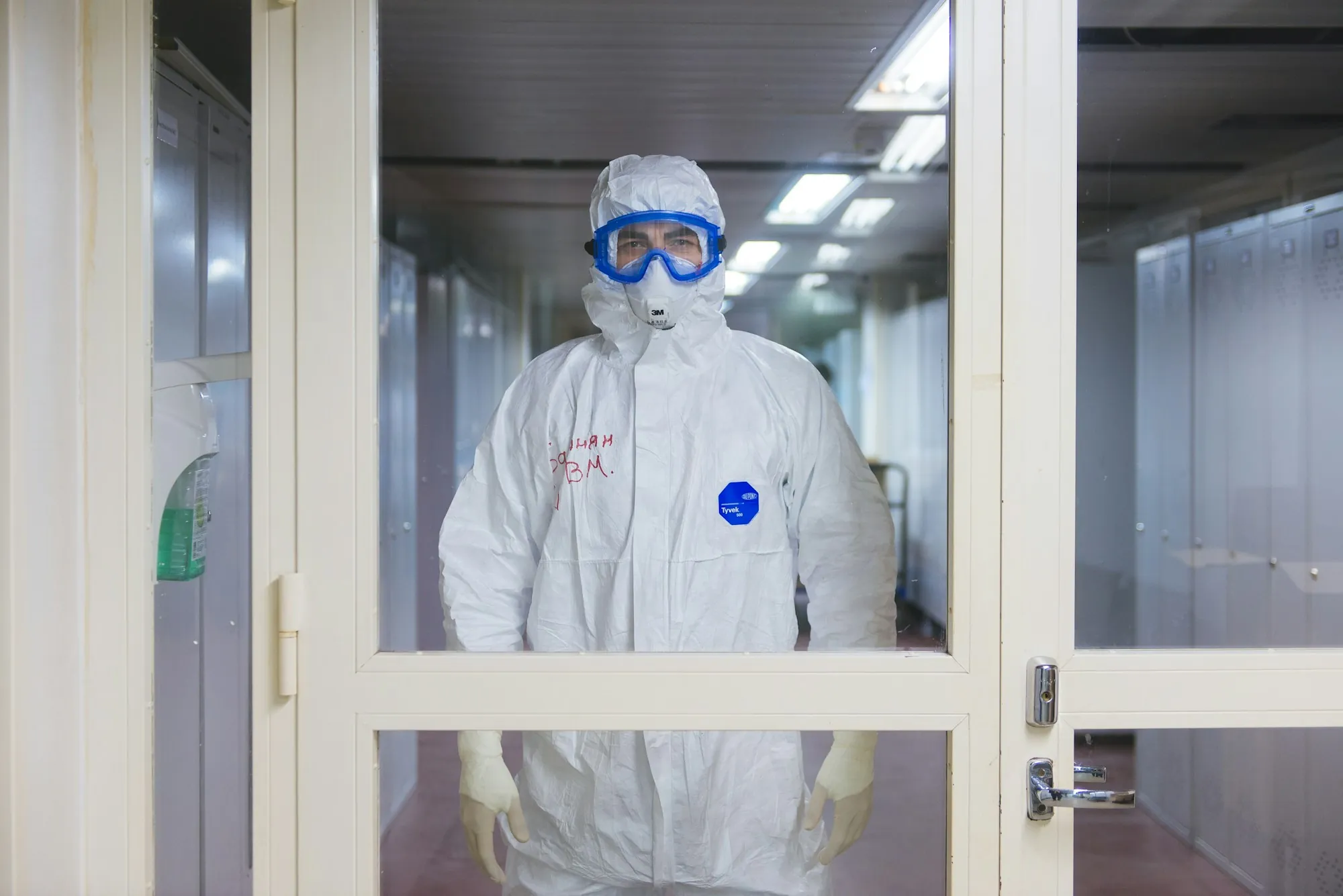
Asbestos in a house mostly behaves itself until a tool hits it. After that, it is everyone's problem. So we take it out slowly and by the book. The usual list: lagging on steam and hot water pipes, the jacket on an old boiler, vinyl squares and the tar-black glue holding them down, cottage-cheese ceilings, taping compound on older drywall, cement shingles on siding or roofs and the paper wrap on ductwork. The reasons people call are all over the map. A kitchen gut. A finished basement. A furnace or boiler changeover. A listing that needs a clean inspection. A pre-demolition cleanout. An office floor coming down to the studs. What we do on site barely changes. Samples go to the lab first, so we never strip anything on a hunch. Poly goes up on the floors and walls, registers and doorways get taped off and a HEPA negative air machine keeps the room breathing inward. The handlers wet everything down with amended water to hold fibers down, take it out and pack it into labeled, sealed sacks or wrap. Every surface is HEPA vacuumed and damp wiped, and clearance air from an independent tester must come back clean before the room is handed over. Bigger jobs need advance notice to the state under Industrial Code Rule 56, and we handle that filing so your builder is never stuck waiting on paperwork.
What a Removal Job Covers
No two buildings match, but most of our removal jobs include these pieces.
Sampling first
Questionable material confirmed by an accredited lab before anyone touches it, so you only pay to abate the real thing.
Heating pipe and boiler lagging
Insulation on supply lines, fittings and the boiler itself, often ahead of a new heating plant.
Old flooring and its glue
Vinyl squares and the black adhesive beneath them, cleared down so new floors can go in.
Ceiling texture and taping mud
Cottage-cheese finishes and older joint compound in rooms that are getting opened up.
Cement shingles
Siding and roofing lifted off in whole pieces where they allow it, kept damp and wrapped.
Duct paper
Wrap on aging ductwork removed before the HVAC contractor starts.
Enclosure and negative air
Poly on every surface, taped openings and a HEPA unit drawing air inward.
Waste route and clearance
Labeled sacks trucked to a permitted landfill, then air sampling by an outside tester.
How a Removal Runs
Walk us through the project
Let us know what is being gutted or replaced and where the questionable material sits. Got lab reports already? Keep them nearby. No reports yet means sampling comes first.
Plan in writing
Once the inspection is done, you get the job on paper: the items leaving, the enclosure layout, the waste route and the air reading clearance requires. Required state notices go in before the crew arrives.
Enclose, strip, test
The crew hangs poly, starts negative air, mists and strips the material and bags it. Then come HEPA vacuuming, damp rags and an independent clearance reading, and only then do you get your space back.
Why Homeowners and Contractors Hand Us the Removal
Licensed hands on every bag
Each crew member has OSHA safety training plus two personal asbestos handler licenses, one issued by New York State and one by New York City. Nobody learns the trade on your job.
Your builder keeps the schedule
We time the strip-out around the trades coming in behind us, so cabinets or a new boiler can follow once the air passes.
Nothing extra comes out
The lab report decides the scope. Anything that tests negative goes back to your regular contractor.
- Lab-confirmed scope
- Negative air enclosure
- OSHA-trained handlers
- Clearance air at the finish
Remodel on the Calendar?
Describe what is coming out and what it looks like. We will go over sampling, the enclosure and where the strip-out lands in your builder's lineup.